
BY CHIGBO MIRACLE CHINECHEREM
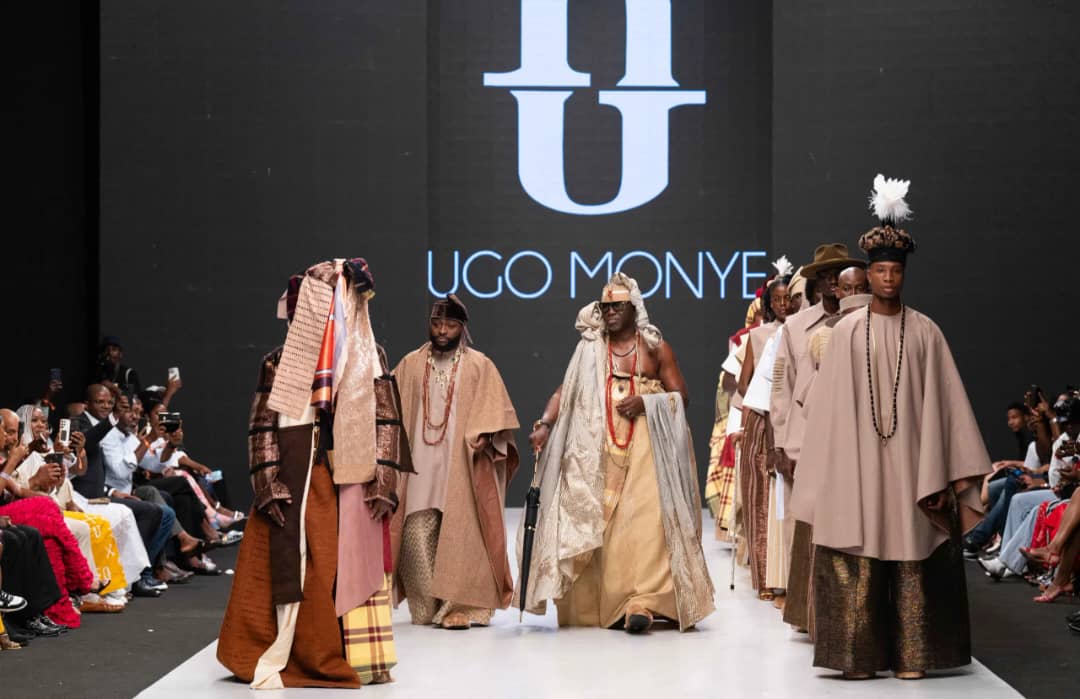
Nigeria is home to many ethnic groups, each with its own rich culture, traditions, language, food and fashion. Among the three largest ethnic groups in Nigeria—the Igbo, Yoruba and Hausa—fashion is an important way of expressing identity, history and social status. Although modern Nigerian fashion has created a lot of similarities between them, each group still has distinctive traditional clothing styles.
Igbo Fashion
Igbo fashion is deeply connected to the culture and traditions of the Igbo people, particularly those from southeastern Nigeria. Traditionally, clothing was not only worn for beauty but also represented a person’s age, status, marital position and occasion.
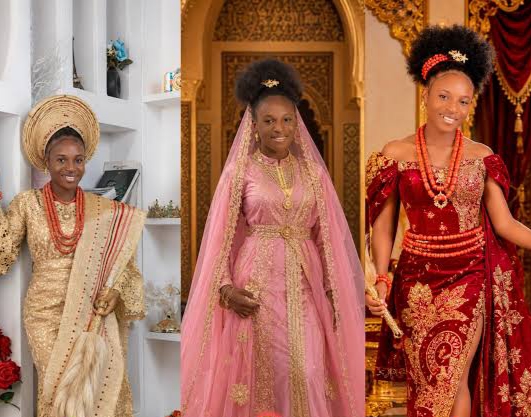
For Igbo women, one of the most recognizable traditional outfits is the George wrapper, often worn with a blouse and a head tie. George material became especially popular for ceremonies such as weddings, traditional marriages, chieftaincy celebrations and other important cultural events. Another traditional style is the two-piece wrapper, where a woman wears a blouse with one or two wrappers around her waist.
The blouse can be decorated with embroidery, beads, sequins or other embellishments. Head ties and coral beads are also commonly used to complete traditional Igbo appearances. In many traditional ceremonies, women may wear elaborate coral-bead necklaces, bracelets and earrings.
For Igbo men, traditional clothing often includes the Isiagu, a richly decorated shirt traditionally associated with Igbo identity and often worn for important occasions. It is commonly paired with trousers, a wrapper or a traditional cap. The Isiagu may feature an embroidered lion-head pattern, although modern versions come in different designs.
Another important part of Igbo men’s traditional appearance is the red cap, particularly among titled men and elders. Depending on the community and occasion, the red cap can be associated with authority, leadership and traditional titles.
Igbo fashion has also changed considerably over time. Modern designers now combine traditional fabrics, embroidery and styles with contemporary cuts. This has allowed Igbo fashion to remain culturally recognizable while fitting modern weddings, parties, photoshoots and other social events.
Yoruba Fashion
Yoruba fashion is known for its elegant fabrics, elaborate designs and strong use of coordinated outfits. One of the most recognizable Yoruba women’s outfits is the Iro and Buba. The iro is a wrapper worn around the lower body, while the buba is a loose-fitting blouse.
Women may also wear a gele, which is a large head tie carefully folded and styled into different shapes. The gele is particularly popular at weddings and other celebrations.
For men, the Agbada is one of the most recognizable Yoruba outfits. It is a large flowing outer garment worn over a shirt and trousers. Men may also wear a fila, a traditional Yoruba cap.
Yoruba traditional clothing frequently uses fabrics such as Aso Oke, Ankara and lace, especially for ceremonies and coordinated family outfits.
Hausa Fashion
Hausa fashion comes from the traditions of northern Nigeria and is strongly influenced by the region’s history, Islamic traditions and climate.
For Hausa men, one of the best-known traditional outfits is the Babban Riga, a large flowing gown often worn over trousers and a shirt. Men may also wear a traditional cap known as a Hula. The clothing is often designed with embroidery around the neckline, chest and sleeves.
For Hausa women, traditional clothing commonly consists of long, loose-fitting garments that provide modest coverage. Fabrics can be decorated with embroidery, patterns and other details. Head coverings are also an important part of traditional Hausa women’s dressing.
Hausa fashion often emphasizes modesty, flowing silhouettes and detailed embroidery. Today, designers combine these traditional elements with modern cuts and fabrics.
Similarities
Despite their differences, the three cultures share several similarities. Traditional clothing is commonly worn during weddings, festivals, chieftaincy ceremonies, naming ceremonies, funerals and other important events. Clothing can also communicate social status, age, marital status or participation in a particular cultural ceremony.
Another similarity is the importance of headwear and accessories. Igbo men may wear traditional caps, Yoruba men wear the fila, while Hausa men commonly wear traditional caps with their flowing garments. Women across the three cultures also use jewellery, headwear and carefully styled clothing to complete their appearance.
Conclusion
Igbo, Yoruba and Hausa fashion are important parts of Nigeria’s cultural identity. Igbo fashion is strongly associated with pieces such as the George wrapper, Isiagu, coral beads and red cap; Yoruba fashion is widely recognized through the Agbada, Iro and Buba, gele and Aso Oke; while Hausa fashion is distinguished by flowing garments such as the Babban Riga and detailed embroidery.
Although modern Nigerian fashion continues to blend influences from different cultures, these traditional styles remain important because they preserve the history and identity of the people who wear them. Fashion therefore serves not only as a form of dressing but also as a way of telling the story of Nigeria’s diverse cultures.