
BY: Aniagbaoso Oluchi Loveth
Music has always been an important part of human life. From the traditional songs of the olden days to the modern sounds we enjoy today, music has changed greatly with time. These changes have been influenced by technology, culture, and the changing lifestyles of people.
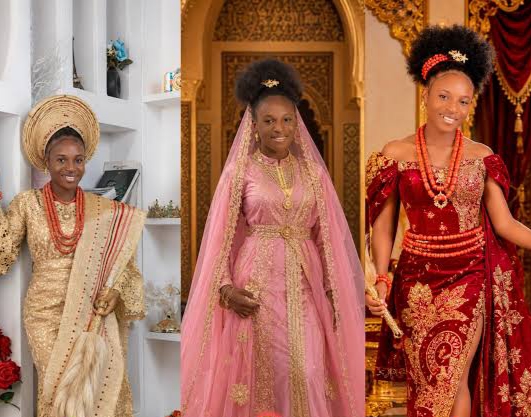
In the olden days, music was mostly performed live using traditional instruments such as drums, flutes, gongs, xylophones, and other locally made instruments. People used music during festivals, ceremonies, storytelling, weddings, and other important occasions. Songs were usually simple and focused on culture, history, morals, and community life.
As time passed, Western instruments such as guitars, keyboards, and trumpets became popular. Recording technology also made it possible for musicians to record and share their songs with larger audiences.
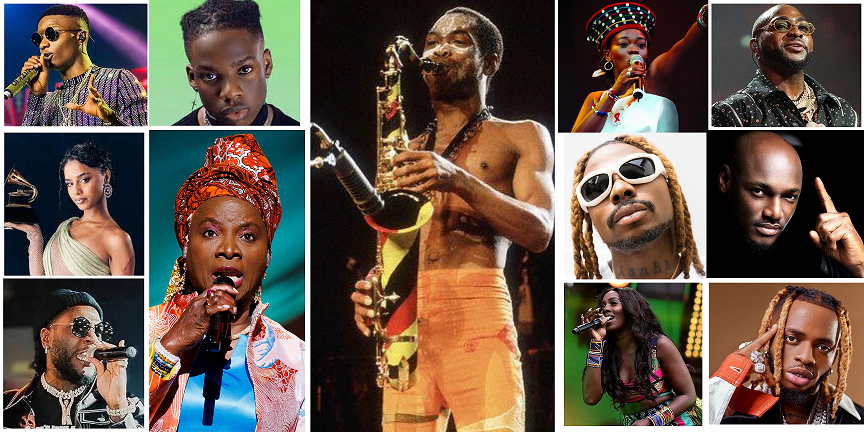
Today, music has become more modern and diverse. Genres such as Afrobeats, hip-hop, pop, R&B, and Amapiano are enjoyed by millions of people. Technology has also changed music production. Artists can now record songs with computers and share them instantly through platforms such as YouTube, Spotify, and social media.
The evolution of music shows how society has changed over time. Although modern music is more technological and diverse, old music remains important because it preserves culture and history. Both old and current music continue to entertain, educate, and bring people together.