
By CHIGBO MIRACLE CHINECHEREM
Fashion is constantly changing, but it also has a way of bringing the past back. In Nigeria, the difference between fashion in the 1990s and fashion today is quite noticeable. The 1990s had a distinctive style that was influenced by Nigerian culture, music, television, Western trends and the growing entertainment industry. Clothing was often simple, colorful and carefully coordinated, while traditional outfits remained an important part of social life.
Today, Nigerian fashion has become more experimental and diverse. Social media, international fashion trends, celebrities, influencers and Nigerian designers have made it possible for people to discover and adopt new styles almost instantly. Interestingly, many 1990s trends are now returning in updated forms.
Fashion in the 1990s
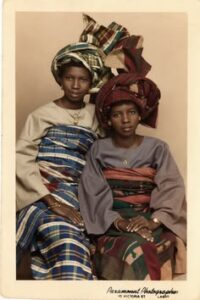
The 1990s were a period of noticeable change in Nigerian fashion. Women’s fashion included mini-skirts, capri trousers, dresses, blouses and native boubous, while men’s trousers generally became slimmer around the ankles but could remain loose around the waist and hips.
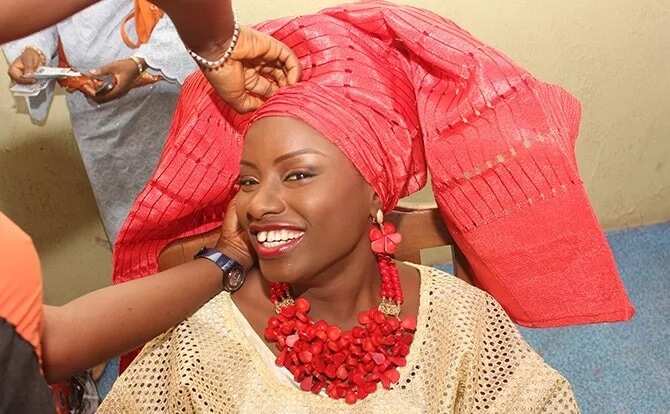
For traditional occasions, Nigerian fabrics such as Ankara, lace, George, brocade and damask were widely used. In Igbo communities, women could be seen wearing wrappers and blouses, often complemented with head ties and coral beads. Men wore traditional outfits for weddings, festivals, community gatherings and other important occasions.
Fashion was not only about clothing. Hairstyles, shoes, jewellery and accessories were all important parts of a person’s appearance.

Popular Fashion Figures of the 1990s
The Nigerian fashion scene of the 1990s had several women who became recognised for their elegance and distinctive personal styles.
Nkiru Anumudu was one of the most visible high-society fashion figures of the period. Her extravagant designer wardrobe and love of luxury brands made her a familiar name in Nigerian fashion and society magazines. She was particularly associated with an elaborate, luxury-focused style.
Helen Prest-Ajayi, a former Miss Nigeria, was another prominent figure. Her style was generally more understated and elegant, contrasting with Nkiru Anumudu’s more extravagant approach.
Nike Oshinowo, who won the Most Beautiful Girl in Nigeria title in the early 1990s, was also a notable beauty and fashion figure of the period. Her pageant success and public profile placed her among the recognisable style personalities of the era.
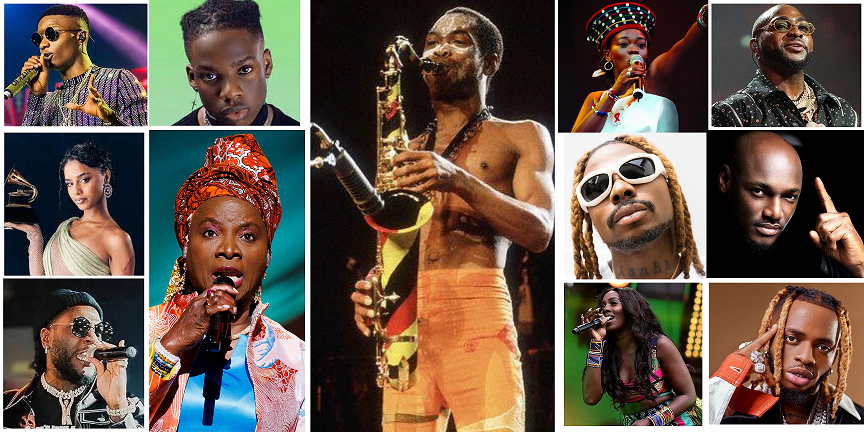
It is also important to mention Regina Askia, Liz Benson and Eucharia Anunobi, who became prominent through Nigerian television and the emerging Nollywood industry. Their clothing and hairstyles helped shape the visual style associated with Nigerian entertainment in the 1990s and early 2000s. Old Nollywood’s hairstyles and fashion have since become a source of nostalgia and inspiration for younger Nigerians.
Men’s Fashion
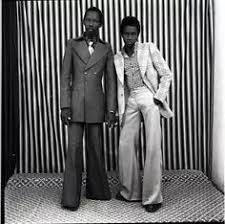
Men’s fashion in the 1990s was generally less complicated than much of today’s fashion. Jeans, T-shirts, shirts, trousers, jackets and sneakers were common casual choices. For special occasions, men could wear traditional outfits, including native shirts, trousers, agbadas, kaftans and, in Igbo communities, culturally significant outfits such as Isi Agu.
One of the most noticeable differences was men’s hairstyles.
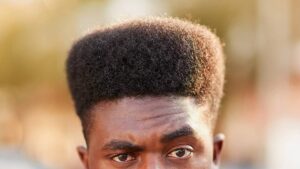
The Popular Men’s Haircuts
The low cut was one of the most common and practical hairstyles for Nigerian men during the 1990s. The fade haircut also became increasingly popular during the decade. Buzz cuts were another short style worn by men. Nigerian fashion histories specifically describe the 1990s as a period when men moved away from the curls, activators and relaxers associated with earlier decades and increasingly embraced short hair and fades.
So, if someone wanted to recreate the typical Nigerian male look of the 1990s, a neat low cut or fade, simple shirt or T-shirt, jeans or trousers and a pair of sneakers would be a realistic starting point.
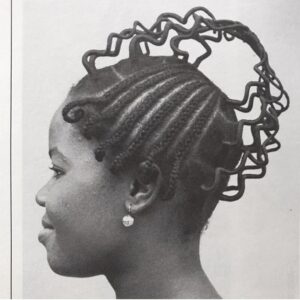
Hairstyles for Women
Women’s hairstyles were equally expressive. Braids, cornrows, attachments, short cuts, relaxed hair and various elaborate styles were common. Hair was often styled to complement the clothing and occasion.
Old Nollywood became particularly memorable for its dramatic hairstyles. Styles included large Afro-inspired looks, braids, wigs, head scarves and other elaborate arrangements. Many of these looks are now being revived as nostalgic fashion trends.
Fashion Today
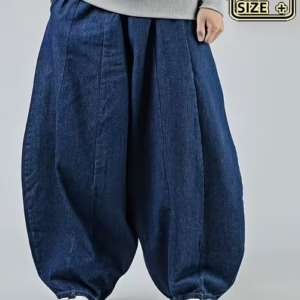
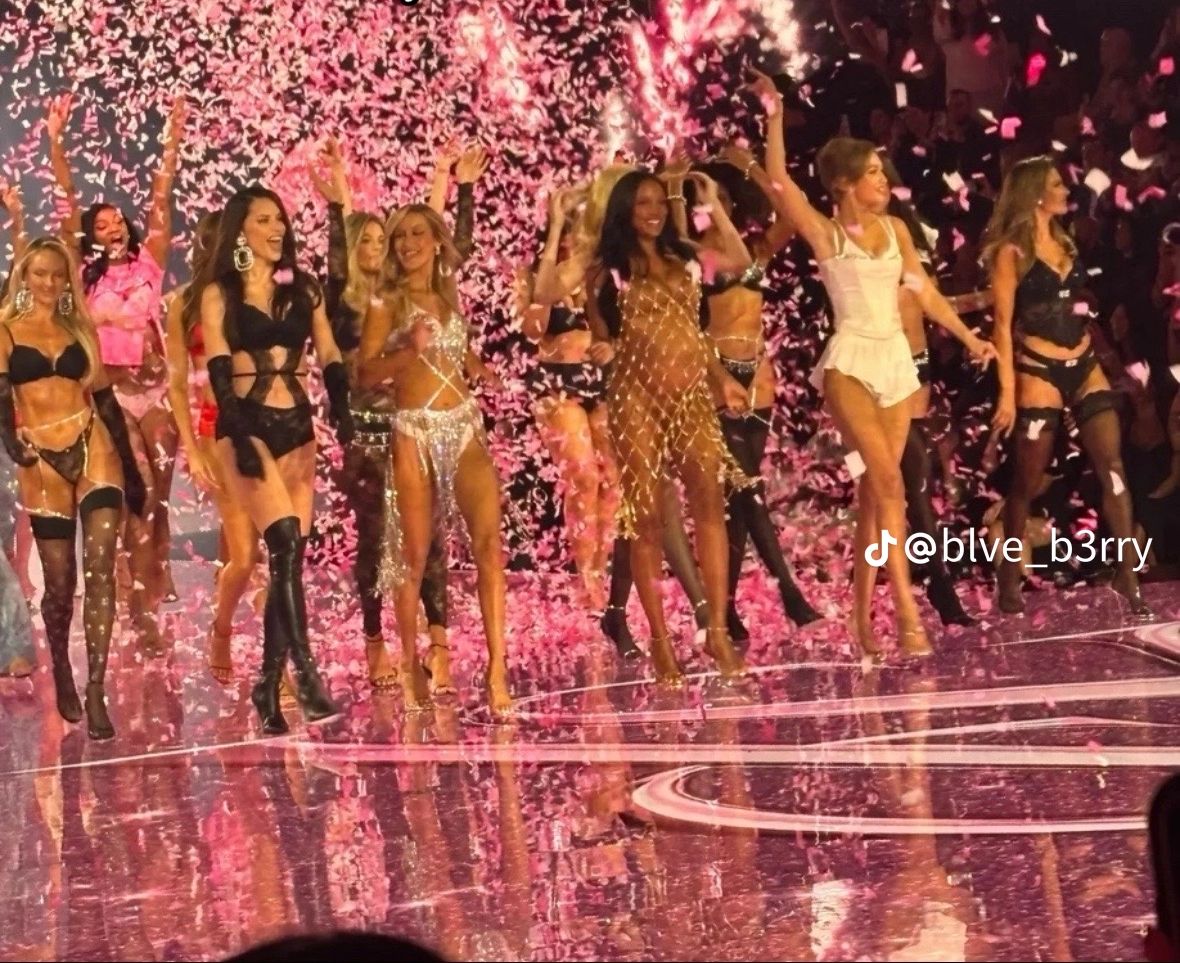
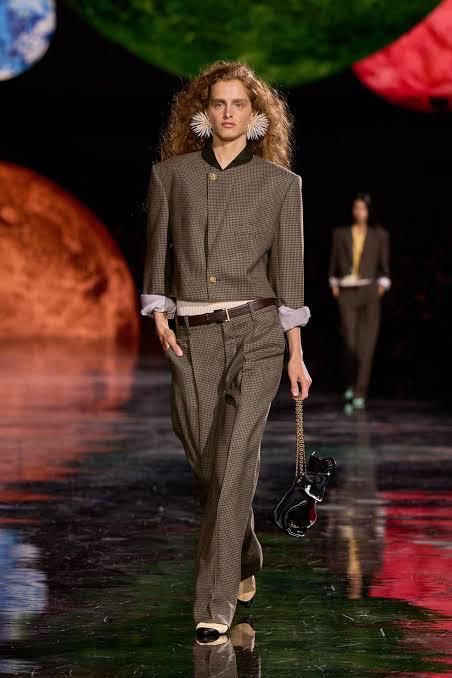
Fashion today is considerably more diverse. Nigerians can combine traditional clothing with streetwear, luxury fashion, casual clothing and international trends.
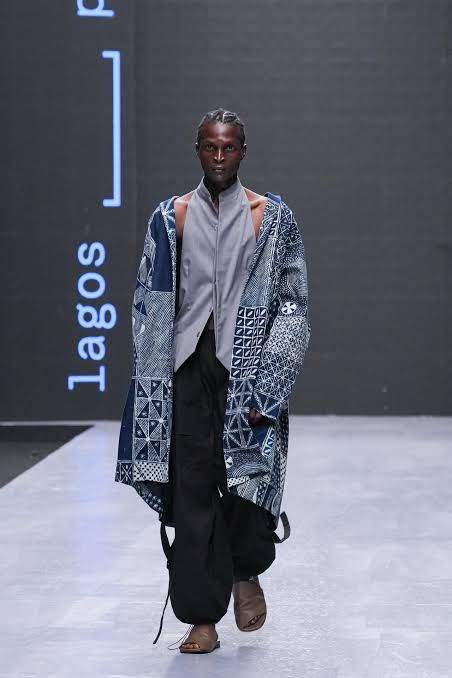
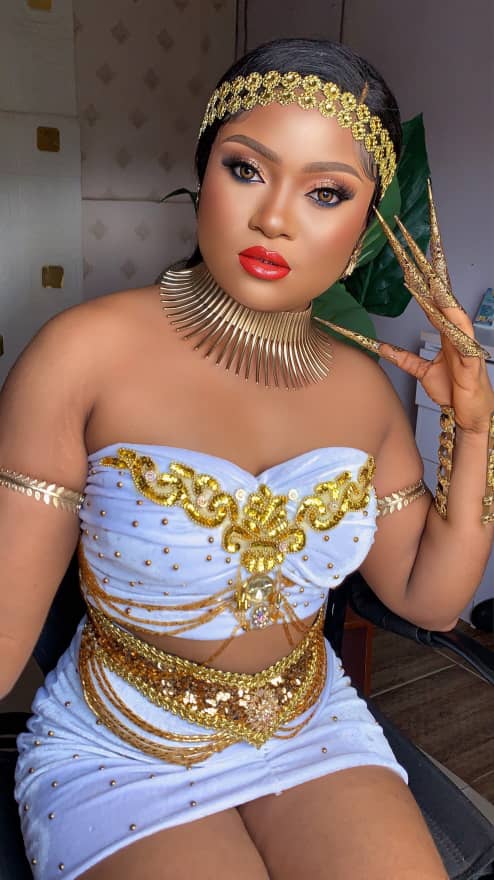
Women now wear gowns, corsets, jeans, cargo trousers, skirts, jumpsuits, two-piece outfits, oversized shirts and modern versions of traditional Nigerian clothing. Ankara, lace, George and other traditional fabrics are still popular but are now being turned into more contemporary designs.
Men’s fashion has also changed. Modern Nigerian men wear senator outfits, two-piece native sets, suits, jeans, cargo trousers, oversized shirts, polo shirts, sneakers, loafers and other contemporary styles.
Hairstyles Today
Men today have far more hairstyle choices than the typical low cut or fade that dominated everyday Nigerian men’s grooming in the 1990s.
Modern Nigerian men commonly wear low fades, skin fades, taper fades, afro fades, waves, dreadlocks, twists, braids and other styles. The fade, however, remains particularly popular and has evolved into many different variations.
Women also have an enormous range of options, including wigs, braids, locs, frontal styles, weaves, natural hairstyles, Ghana weaving, cornrows and various forms of extensions.
The Influence of Social Media
Perhaps the biggest difference between the two periods is the speed at which fashion spreads.
In the 1990s, people discovered trends through television, magazines, musicians, movies, celebrities, fashion shows and people around them. Today, a hairstyle or outfit can become popular almost immediately through TikTok, Instagram, Pinterest and other social media platforms.
Social media has also made it easier for Nigerian fashion designers and stylists to showcase their work to audiences around the world.
From Old Fashion to New Fashion
One interesting thing about fashion is that it rarely disappears completely. Instead, old styles are redesigned and introduced to a new generation.
This can already be seen in the return of 1990s-inspired fashion. Wide-leg trousers, oversized shirts, denim, statement sunglasses, braids and other nostalgic styles have appeared again in modern Nigerian fashion. Vogue has also documented how young Nigerians have embraced the look associated with Old Nollywood and late-1990s/early-2000s fashion.
The difference is that today’s generation often combines these old styles with modern accessories, sneakers, contemporary hairstyles and new tailoring techniques. Conclusion
Fashion has changed significantly from the 1990s to the present day. The 1990s were characterised by distinctive Nigerian styles, traditional fabrics, simple men’s haircuts such as low cuts and fades, expressive women’s hairstyles, and the influence of musicians, television personalities, beauty queens and emerging Nollywood stars.
Today, Nigerian fashion is more global, digital and experimental. Yet the past continues to influence the present. Old hairstyles, clothing styles and accessories are being redesigned and brought back by younger generations.
The difference is not simply that fashion has changed; rather, fashion has evolved with society. The 1990s gave Nigerians styles that represented their time, while today’s generation is taking those older ideas and combining them with modern creativity to create a new Nigerian fashion identity.